Planning a trip to Peru from India? One of the first questions many travelers ask is whether they need a visa before visiting Peru.
The answer depends on your passport, the purpose of your trip, and whether you already hold a valid visa or permanent residence permit from certain countries. Because immigration regulations can change, it’s always recommended to verify the latest information before making travel arrangements.
Indian passport holders may be required to obtain a tourist visa before traveling to Peru.
However, Indian citizens are exempt from obtaining a Peruvian tourist visa if they meet one of the following conditions:
OR
If you do not meet one of these conditions, you will generally need to apply for a tourist visa before traveling to Peru.
If you enter Peru with a tourist visa—or if you qualify for the visa exemption described above—the maximum authorized stay can be up to 180 days within a one-year period.
The final length of your stay is determined by the Peruvian Immigration officer upon arrival, so always verify the number of days granted before leaving immigration.
Depending on your travel circumstances, immigration authorities may request:
If you are applying for a tourist visa, additional documents and a consular interview may also be required.
For the most accurate and up-to-date visa requirements, we recommend checking the official Peruvian Government website before your trip.
Official Tourist Visa Information
https://www.gob.pe/en/36240-apply-for-a-tourist-visa-to-enter-peru
In addition to the official government website, the following travel resources are frequently updated and can help you verify visa and entry requirements based on your nationality.
Passport Index is an international platform that allows travelers to quickly check visa requirements according to their passport.
Sherpa is used by many airlines and travel companies to provide updated information about visas, passport validity, health requirements, and entry regulations around the world.
https://apply.joinsherpa.com/travel-restrictions
If you need more specific information, we also recommend contacting the Embassy of Peru in India or the nearest Peruvian Consulate, where you’ll receive official guidance based on your nationality and travel plans.
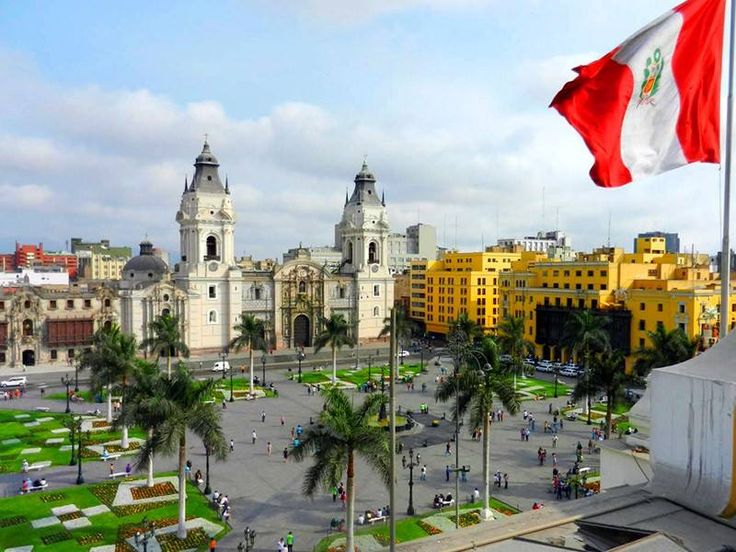
Once your travel documents are ready, it’s time to experience everything Peru has to offer—from the vibrant capital of Lima to the breathtaking Andes, Machu Picchu, the Sacred Valley, Lake Titicaca, and the Amazon rainforest.
At Bond & Travel, we’re here to make your journey as smooth as possible. Whether you need airport transfers, guided tours, accommodation, or personalized travel packages, our local team is ready to help you discover the very best of Peru.
Visa, passport, customs, and immigration regulations may change without prior notice.
While we do our best to keep this information accurate and up to date, Bond & Travel cannot guarantee that third-party resources will always reflect the latest changes. Before making travel arrangements, we strongly recommend confirming all entry requirements with the Peruvian Government, the Embassy or Consulate of Peru in India, or the appropriate immigration authorities.
Passport Index and Sherpa are useful travel planning tools and are frequently updated, but they should be used as complementary resources alongside official government information.