Planning an Amazon rainforest adventure in Peru? If you’re visiting Cusco, Machu Picchu, or the Sacred Valley, you may be wondering whether to visit Tambopata or Manu.
Both destinations offer incredible wildlife, lush rainforest, and unforgettable experiences. However, they are very different when it comes to accessibility, travel time, landscapes, and the type of adventure you can expect.
Tambopata is generally the more convenient option for travelers with limited time, while Manu is ideal for those looking for a longer expedition through several Amazon ecosystems.
In this guide, we’ll explain the difference between Tambopata and Manu, how to get there from Cusco, how many days you need, and what to consider when planning your Amazon rainforest tour in Peru.
The main difference is their location and how you reach them.
Tambopata is located in the Madre de Dios region of southeastern Peru, near Puerto Maldonado. It is particularly popular with travelers who want to experience the Amazon rainforest without spending several days traveling overland.
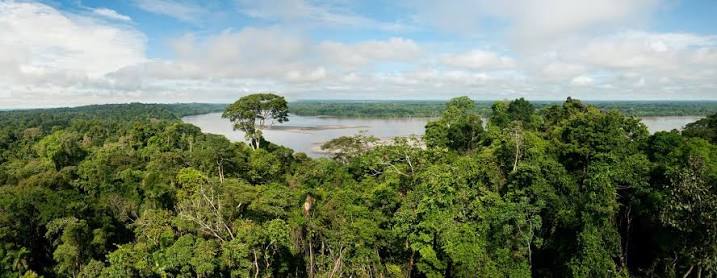
Manu is a much larger protected area extending from the Andes into the Amazon lowlands. Its different elevations create a remarkable variety of habitats, including Andean landscapes, cloud forest, and tropical rainforest.
| Feature | Tambopata | Manu |
|---|---|---|
| Location | Madre de Dios | Cusco and Madre de Dios |
| Main gateway | Puerto Maldonado | Cusco |
| Access | Flight or road, followed by road and boat transfers | Primarily road and river travel |
| Recommended trip length | 3–5 days | 5–8 days or longer |
| Main landscapes | Lowland Amazon rainforest | Andes, cloud forest, and lowland rainforest |
| Best suited for | Travelers with limited time | Travelers seeking a longer wilderness expedition |
Both destinations are excellent choices for wildlife watching, birdwatching, and experiencing the Peruvian Amazon. Your best option depends on your available time, budget, and travel preferences.
Tambopata National Reserve is located near Puerto Maldonado, the capital of the Madre de Dios region.
It is one of the most accessible Amazon rainforest destinations for travelers visiting Cusco and Machu Picchu.
The most convenient way to reach Tambopata is usually by flying from Cusco to Puerto Maldonado.
The flight takes approximately one hour, although schedules and availability vary.
Once you arrive in Puerto Maldonado, the journey continues by road and boat, depending on the location of your jungle lodge.
Some lodges are relatively close to the city, while others require several hours of river travel.
According to Peru’s National Service of Natural Protected Areas (SERNANP), access to different sectors of Tambopata can involve approximately 30 minutes to more than five hours by boat, followed by walking along forest trails in some areas.
You can also travel from Cusco to Puerto Maldonado by road, which takes approximately 10 hours under normal conditions. However, flying is generally the more convenient option for travelers with limited time.
A 3-day, 2-night Tambopata tour is a popular option for travelers who want to experience the Amazon rainforest while keeping their itinerary relatively short.
With three or four days, you can enjoy activities such as:
Longer itineraries allow you to reach more remote areas and spend additional time exploring the rainforest.
For travelers combining Cusco, Machu Picchu, and the Amazon, Tambopata is often the easiest destination to fit into a one- or two-week Peru itinerary.
Manu National Park is located in southeastern Peru, extending from the Andes into the Amazon rainforest.
Unlike Tambopata, Manu is not reached through a single convenient airport connection followed by a short transfer.
Most classic Manu expeditions begin in Cusco and continue by road through Paucartambo and the cloud forest before reaching the river.
The journey then continues by boat toward the lower rainforest and the designated visitor areas.
The exact route and travel time depend on which part of Manu you visit and the itinerary arranged by your authorized operator.
A typical overland journey to the lower rainforest involves:
The journey is part of the experience itself. You gradually move from the Andes into the tropical rainforest, passing through different landscapes and ecosystems.
For deeper expeditions, the river journey can take several additional hours, and the overall trip may require multiple days of travel.
SERNANP identifies the Cusco–Paucartambo–Acjanaco route as an important access route to Manu, with further travel depending on the destination within the protected area.
Manu generally requires more time than Tambopata.
Shorter programs may focus on the surrounding cultural and buffer zones, while longer expeditions can travel deeper into the rainforest.
As a general planning guide:
The duration depends on the route, the area being visited, and the operator’s itinerary.
If you have only a few days available for the Amazon, Tambopata is usually easier to organize. If you have a week or more and enjoy long journeys through remote landscapes, Manu may be the better choice.
Both destinations are internationally recognized for their extraordinary biodiversity.
Manu is particularly famous for its wide range of ecosystems, from high-altitude environments to lowland rainforest. This variety supports an impressive diversity of plants, birds, mammals, and other wildlife.
Tambopata is also renowned for its biodiversity and is particularly popular for observing macaws, parrots, monkeys, caimans, and other Amazonian species.
The Tambopata region includes famous clay licks, where large groups of macaws and parrots may gather to feed on mineral-rich clay.
Wildlife sightings are never guaranteed, however. Animals move freely through their natural habitats, and the species you see will depend on the season, location, weather, and time spent exploring.
Both destinations are excellent for birdwatching, but they offer different experiences.
Tambopata is especially popular for observing lowland Amazon birds, including macaws and parrots.
Manu offers a wider range of elevations and habitats, making it particularly appealing to birdwatchers interested in observing species from the Andes, cloud forest, and lowland rainforest.
If your main interest is seeing macaws and exploring lowland rainforest, Tambopata is an excellent option.
If you’re passionate about birdwatching and want to explore several ecosystems during one trip, Manu may be more suitable.
Both destinations can be visited throughout the year, but the weather influences travel conditions and activities.
The rainy season generally runs from December to March, while the drier months are typically from April to November.
For Manu, SERNANP recommends visiting between April and November.
Tambopata can also be visited during the rainy season, although heavy rainfall may affect river levels, access, and some excursions.
It’s worth remembering that the Amazon is a tropical rainforest, so rain can occur at any time of year.
Before booking, check the conditions for your specific travel dates and confirm whether your itinerary is suitable for the season.
<Cite refs={[“turn539638search0″,”turn539638search6”]}/>
Yes!
Both destinations can be combined with a visit to Machu Picchu, but Tambopata is generally easier to organize if you’re traveling on a shorter schedule.
A popular itinerary is:
Cusco → Sacred Valley → Machu Picchu → Puerto Maldonado → Tambopata
You can travel from Cusco to Puerto Maldonado by air, then continue to your jungle lodge.
Manu is also possible after Machu Picchu, but it usually requires more days because of the longer road and river journey.
If you’re planning a Peru trip that includes both the Andes and the Amazon, it’s important to coordinate your transportation and tour dates carefully.
The best choice depends on the type of adventure you’re looking for.
Choose Tambopata if you:
Choose Manu if you:
Neither destination is universally better. They simply offer different ways to experience the Peruvian Amazon.
Whether you choose Tambopata or Manu, visiting the Amazon is an unforgettable way to experience another side of Peru.
From the spectacular landscapes of the cloud forest to the rivers and wildlife of the lowland rainforest, these destinations offer experiences that are completely different from the Andes and the coast.
At Bond & Travel, we can help you understand the differences between these destinations and choose an itinerary that fits your travel dates, interests, and available time.
If you’re planning to visit Cusco, Machu Picchu, and the Amazon, organizing your flights, road transfers, boat journeys, and accommodation in advance will help make your trip smoother and more enjoyable.
More than a tour; it’s a way to connect.