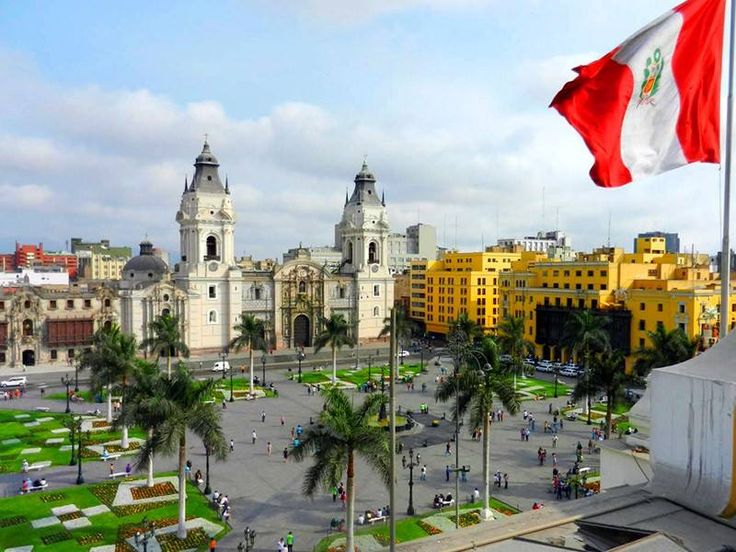
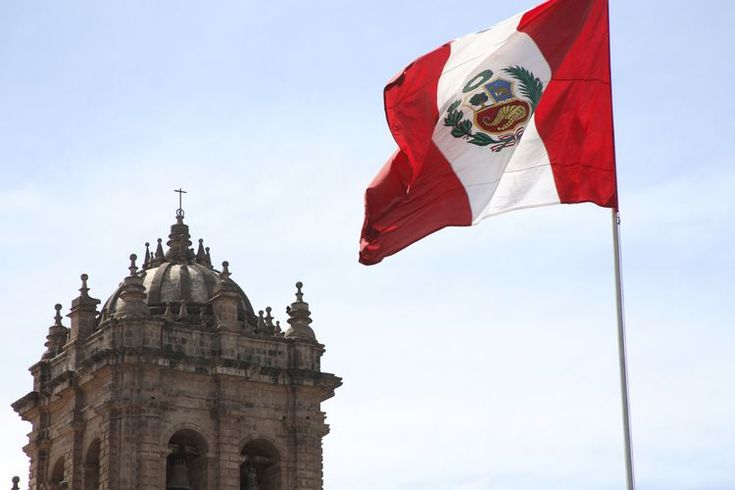
Peru may be on the other side of the world from Japan, but for many Japanese travelers, it’s a dream destination. From the breathtaking citadel of Machu Picchu and the ancient Inca capital of Cusco to the Amazon Rainforest and Peru’s world-famous cuisine, the country offers a unique blend of history, culture, and nature.
If you’re planning to travel from Japan to Peru, here’s everything you need to know before you book your flights.
At the time of writing, Japanese passport holders can generally travel to Peru for tourism without obtaining a tourist visa before departure.
The final length of your stay is determined by the Peruvian Immigration Officer when you arrive in the country. Because immigration regulations can change without notice, it’s always recommended to verify the latest entry requirements before your trip.
Although there are no direct flights between Japan and Peru, there are several convenient routes connecting the two countries.
Many travelers depart from:
Common connecting cities include:
Most international flights arrive at Jorge Chávez International Airport (Lima), Peru’s main international gateway.
Depending on your airline and connection, the total journey usually takes between 20 and 30 hours.
Peru and Japan share a unique historical connection through one of the largest Japanese communities in South America.
Today, Japanese visitors can experience both Peru’s ancient civilizations and its internationally recognized gastronomy, which has been influenced by Japanese cuisine through the famous Nikkei culinary tradition.
During your trip, don’t miss:
Whether you’re interested in photography, archaeology, hiking, or food, Peru offers unforgettable experiences throughout the country.
Preparing in advance can make your trip much more enjoyable.
Here are a few useful tips:
Immigration policies may change over time, so we recommend consulting official sources before traveling.
Official Peru Tourist Visa Information
You can also check your travel requirements using these frequently updated resources:
Passport Index
Sherpa Travel Requirements
If you need country-specific assistance, you can also contact the Embassy of Peru in Japan before your departure.
Whether you’re planning your first visit to Peru or returning to explore more of the country, Bond & Travel is here to help make your trip easy and stress-free.
We offer airport transfers, accommodation, guided tours, Machu Picchu travel packages, Sacred Valley excursions, Rainbow Mountain adventures, and personalized itineraries tailored to your travel style.
Our local team knows Peru inside and out, allowing you to enjoy your holiday while we take care of the planning.
Visa, passport, customs, and immigration regulations may change without prior notice. While we do our best to keep this information accurate and up to date, we recommend confirming all entry requirements with the Peruvian Government, the Embassy of Peru in Japan, or the relevant immigration authorities before traveling. Passport Index and Sherpa are excellent travel planning tools and are updated regularly, but they should always be used alongside official government information.