One of the first things travelers ask before visiting Peru is:
“What currency does Peru use?”
The official currency of Peru is the Peruvian Sol, abbreviated as PEN and commonly written as S/.
Whether you’re visiting Lima, Cusco, Machu Picchu, Arequipa, or the Amazon Rainforest, you’ll use Peruvian Soles for most everyday purchases.
Here’s everything you need to know about using money in Peru.
The Peruvian Sol (PEN) is Peru’s official currency and is considered one of the most stable currencies in Latin America.
Although many hotels and tour operators also accept US Dollars (USD) for larger purchases, you’ll need Peruvian Soles for taxis, local restaurants, markets, small shops, entrance fees, and many everyday expenses.
Exchanging money in Peru is generally easy.
Some of the most common options include:
In cities such as Lima and Cusco, you’ll find many authorized exchange offices offering competitive rates.
If you’re carrying cash, we recommend exchanging only what you need for the first few days and comparing rates before making larger exchanges.
Yes.
ATMs are widely available throughout Peru, especially in:
Most ATMs accept international Visa, Mastercard, Maestro, Cirrus, and Plus cards.
Before traveling, it’s worth checking with your bank about any international withdrawal fees or daily withdrawal limits.
It’s also a good idea to notify your bank that you’ll be traveling abroad to avoid your card being temporarily blocked.
Yes.
Although credit and debit cards are accepted in many hotels, restaurants, shopping centers, and larger businesses, cash is still very important in Peru.
You’ll often need cash for:
For this reason, it’s always a good idea to carry a small amount of Peruvian Soles with you.
Sometimes.
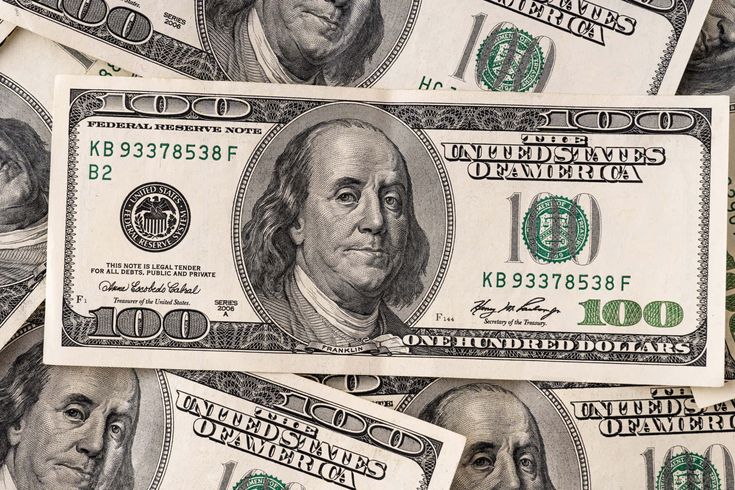
Many hotels, travel agencies, and some larger businesses accept US Dollars, particularly for tours and accommodation.
However, your change is often given in Peruvian Soles, and smaller businesses may not accept foreign currency at all.
If you bring US Dollars, make sure the banknotes are in good condition. Torn, heavily worn, or marked bills may not be accepted by exchange offices or businesses.
Visa and Mastercard are the most widely accepted cards in Peru.
American Express and Diners Club are accepted at some hotels and restaurants but are less common.
If you’re planning to visit remote areas or local markets, carrying some cash is always recommended.
The Peruvian Sol comes in both banknotes and coins.
You’ll commonly see:
The most common coins are:
It’s helpful to keep smaller notes and coins for taxis, markets, cafés, and small purchases, as some vendors may not have change for larger bills.
Tipping isn’t mandatory, but it’s appreciated if you’ve received excellent service.
In restaurants, some establishments include a service charge, while others leave tipping to the customer’s discretion.
For guided tours, drivers, and airport transfers, many travelers choose to leave a small tip as a gesture of appreciation, although it’s entirely optional.
Yes.
Many travelers choose to exchange a small amount of money before arriving in Peru to cover their first taxi, snack, or other immediate expenses.
Once you’re in Peru, you’ll usually find better exchange rates in Lima or Cusco than at many international airports.
Having a little local currency when you arrive can make your first day much easier.
Whether you’re paying for a taxi from the airport, buying a bottle of water, shopping at a local market, or enjoying traditional Peruvian cuisine, carrying some Peruvian Soles will help you travel with confidence.
At Bond & Travel, we’re always happy to answer practical travel questions before your arrival, including advice about currency exchange, ATMs, payments, and what to expect during your first days in Peru.
Exchange rates, ATM fees, banking policies, and payment methods may change over time. We recommend checking with your bank or credit card provider before traveling and using authorized exchange offices when exchanging money in Peru.