While Peru is famous for fruits such as lucuma and camu camu, sugar cane is another important crop that has been part of daily life in many regions of the country for generations.
Whether you’re exploring the coast, the jungle, or the valleys around the Andes, you’ll likely come across sugar cane in one form or another.
Sugar cane is a tall tropical grass grown for its naturally sweet juice. Although it is best known as the source of sugar, many Peruvians enjoy sugar cane in its natural form.
Fresh sugar cane stalks are often cut into smaller pieces that can be chewed to extract their sweet juice. The fibrous part is usually discarded after the juice has been sucked out.
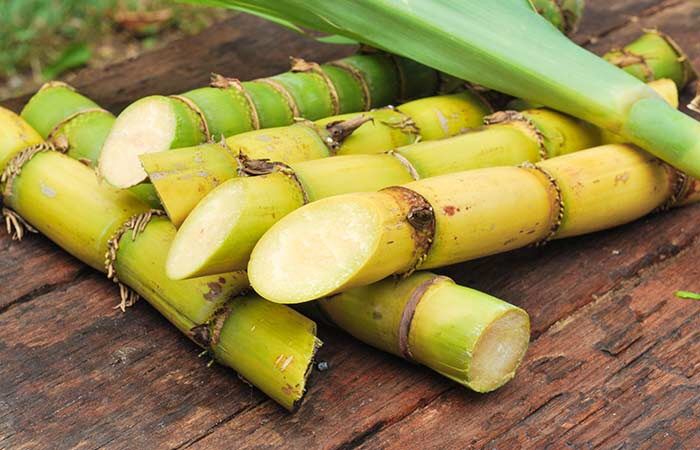
Sugar cane thrives in warm climates and is cultivated throughout several regions of Peru.
Some of the most important sugar cane producing areas include:
The warm valleys surrounding Machu Picchu and the high jungle regions of Cusco are particularly well known for sugar cane cultivation.
Unlike many fruits, sugar cane can be harvested during much of the year depending on the region and local climate.
As a result, sugar cane products are available year-round in markets and communities throughout Peru.
Sugar cane naturally contains carbohydrates, antioxidants, and small amounts of minerals. Its sweet juice provides a quick source of energy and has been consumed throughout Peru for centuries.
Like any sweet food, it is best enjoyed as part of a balanced diet.
One of the most traditional ways to enjoy sugar cane is by chewing pieces of the fresh stalk and extracting the sweet juice.
Sugar cane is also used to produce:
In many rural communities, chewing fresh sugar cane remains a popular snack for both children and adults.
One of the most traditional products made from sugar cane in Peru is cañazo, a strong distilled spirit made from fermented sugar cane juice.
In English, it is often described as sugar cane liquor or sugar cane spirit. In many parts of Peru and Latin America, it is also commonly known as aguardiente, which translates to “firewater” or “strong spirit.”
Cañazo has been produced in rural Andean and jungle communities for generations and is especially common in regions where sugar cane is grown.
Its alcohol content can vary depending on how it is produced, and many local families continue to make it using traditional methods passed down through generations.
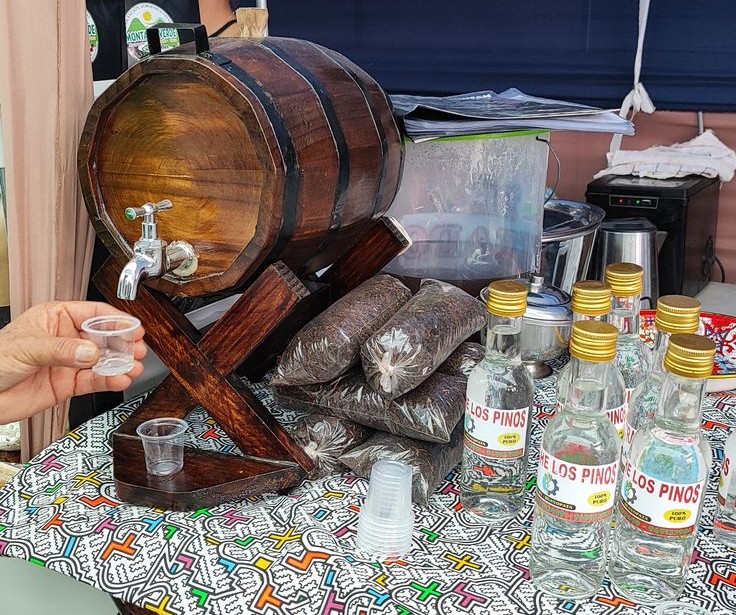
Cañazo is commonly produced in:
Small family-run distilleries can often be found in sugar cane-producing regions, particularly in the valleys connecting the Andes and the Amazon.
If you visit Cusco during local festivals, patron saint celebrations, agricultural fairs, or community events, you may find vendors selling freshly pressed sugar cane juice.
These stands are especially common during traditional festivities, where visitors can watch the juice being extracted directly from the cane using manual or mechanical presses.
The drink is naturally sweet, refreshing, and deeply connected to local traditions.
Trying fresh sugar cane, sugar cane juice, or learning about traditional products like cañazo offers a fascinating glimpse into Peru’s agricultural heritage.
While it may not receive as much attention as Peru’s famous fruits, sugar cane has played an important role in local culture, celebrations, and rural economies for centuries. Whether you’re exploring Cusco, the Sacred Valley, or the Peruvian Amazon, sugar cane remains an authentic part of everyday life worth discovering.