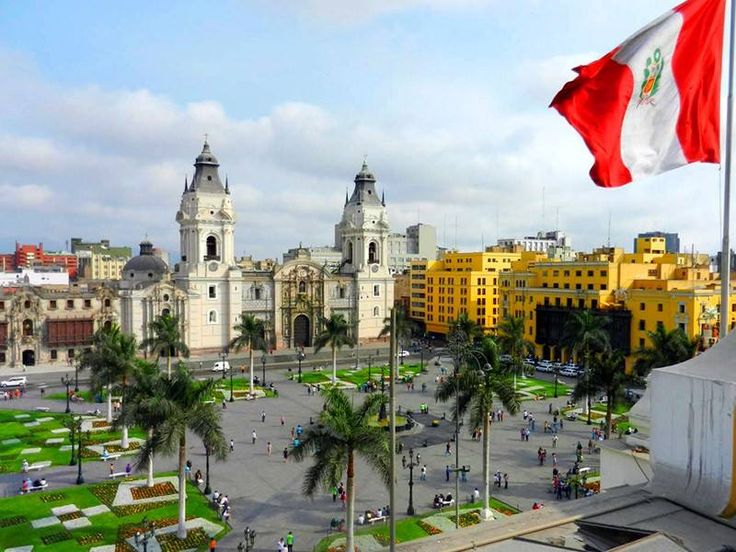
Traveling to Peru as a vegetarian or vegan is easier than many people expect. Cities like Lima and Cusco offer a growing number of plant-based restaurants, supermarkets, and fresh local markets where you can find nutritious ingredients.
However, if you’re planning to visit high-altitude destinations such as Cusco, Machu Picchu, Rainbow Mountain, or Lake Titicaca, it’s worth preparing your body before your trip and bringing any supplements you take regularly.
Here’s what you should know before you travel.
If you already take vitamins or dietary supplements at home, it’s a good idea to pack enough for your entire trip.
While pharmacies and health food stores are easy to find in Peru, you may not always find the exact brands or dosages you’re used to.
Bringing your own supplements means one less thing to worry about during your holiday.
A well-planned vegetarian or vegan diet can provide most of the nutrients your body needs. However, some vitamins and minerals are more difficult to obtain from plant-based foods alone.
Many vegetarians and vegans choose to supplement with:
Not everyone needs every supplement, so it’s always best to speak with your doctor or dietitian before traveling.
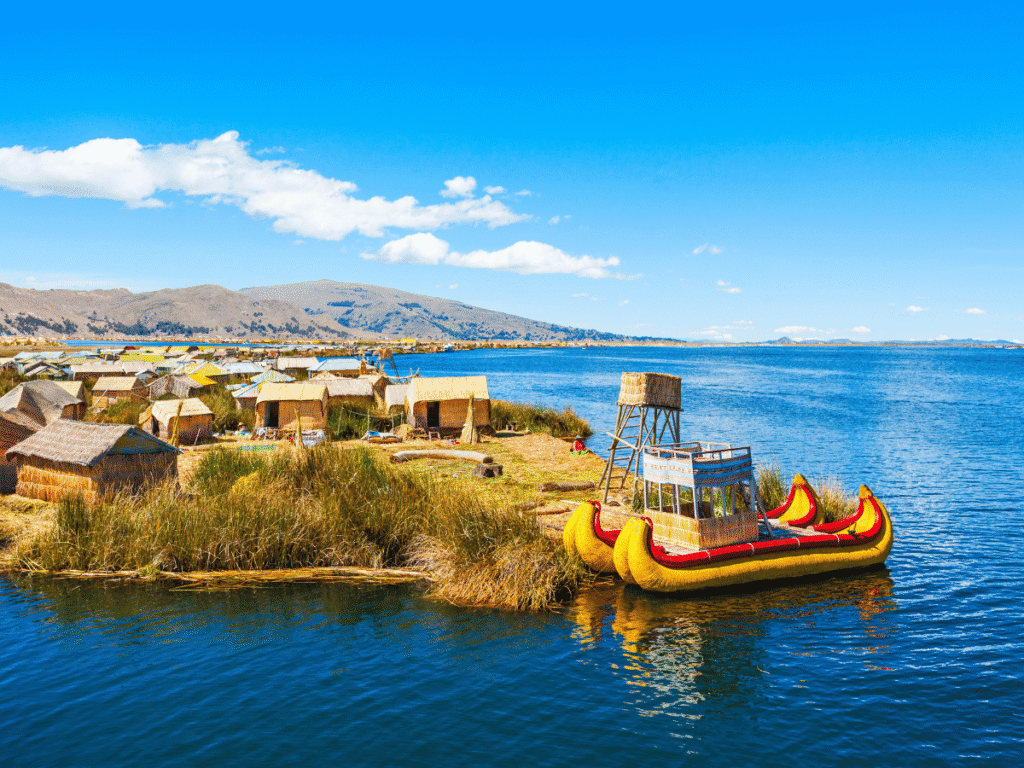
One of the highlights of Peru is visiting the Andes, but many popular destinations sit well above sea level.
For example:
At these elevations, your body works a little harder while it adjusts to the thinner air.
The most important things you can do are surprisingly simple:
There isn’t a vitamin that prevents altitude sickness, but staying well nourished and hydrated can help your body adapt more comfortably.
Iron deserves special attention, particularly for vegetarians and vegans.
Plant-based diets can absolutely provide enough iron, but some people already have low iron stores before traveling without realizing it.
If you’ve previously been diagnosed with iron deficiency or anemia, speak with your healthcare provider before your trip. They may recommend checking your iron levels or continuing an iron supplement if appropriate.
Many plant-based foods available in Peru naturally contain iron, including:
Pairing these foods with fruits rich in vitamin C—such as oranges, passion fruit, or camu camu—can help improve iron absorption.
Absolutely.
Cusco has become one of Peru’s most vegan- and vegetarian-friendly destinations.
You’ll find restaurants serving:
If you prefer cooking your own meals, local markets and supermarkets offer plenty of fresh fruits, vegetables, legumes, grains, nuts, and seeds.
If you regularly use protein powder as part of your routine, you may want to bring it with you, especially if you’re planning long treks such as the Salkantay Trek or other multi-day hikes.
For most travelers, however, it’s possible to enjoy a balanced vegetarian or vegan diet in Peru without relying on protein supplements.
Peru is home to many naturally nutritious ingredients, including:
These traditional ingredients have been part of the Andean diet for centuries and are easy to find throughout the country.
One of the best ways to enjoy your trip is to arrive prepared.
Pack any supplements you normally take, stay hydrated, eat balanced meals, and give your body time to adjust if you’re visiting high-altitude destinations like Cusco or Lake Titicaca.
At Bond & Travel, we’re happy to help travelers with dietary preferences and can recommend vegetarian and vegan restaurants, local markets, and accommodations with kitchen facilities to make your stay in Peru even more comfortable.
This article is intended for general travel information only and should not replace professional medical or nutritional advice. Before starting or stopping any vitamin or supplement, consult your doctor, registered dietitian, or healthcare provider, especially if you have a medical condition, are pregnant, or have previously been diagnosed with a nutritional deficiency.